

The ball cracked after two outdoor sessions. One side split clean at the seam, the rally you were in ended with a dead bounce, and you realized you bought a three-pack last month and are now down to one. Buy in sixes.
The first decision is surface type. Outdoor balls have 40 or 48 holes and a harder shell built to handle wind and concrete. Indoor balls have 26 holes and a softer bounce designed for wood gym floors. Put the wrong ball on the wrong surface and it cracks faster and bounces inconsistently. If you play both surfaces, carry both types.
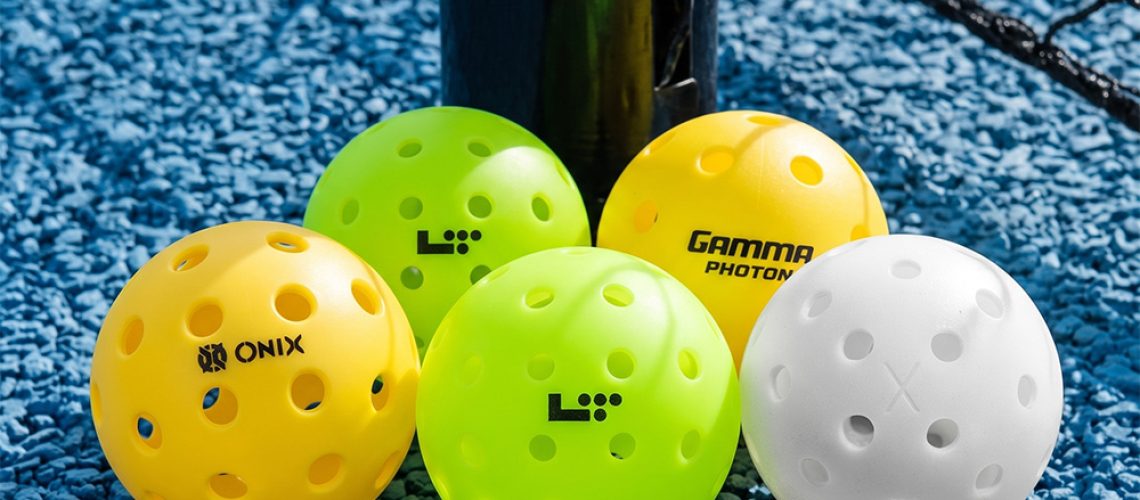
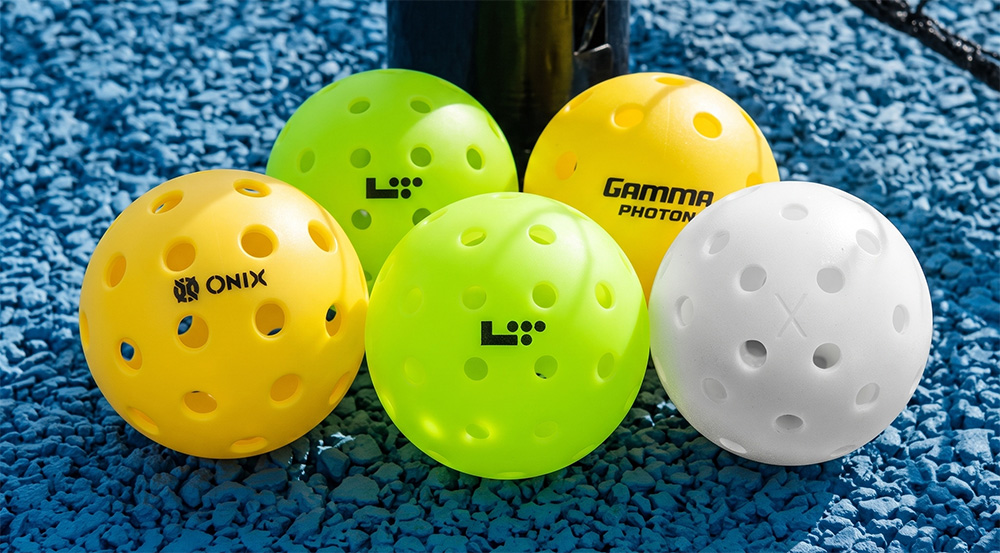
This roundup covers the five packs worth knowing: the Franklin X-40 (official US Open ball), the Onix Dura Fast 40 (APP Tour standard), the LT Pro 48 (PPA Tour ball), and the Onix Fuse and GAMMA Photon for indoor courts.
Quick Picks
| Role | Product | Buy |
|---|---|---|
| Best Overall | Franklin Sports X-40 Outdoor Pickleballs | Check on Amazon → |
| Best Budget | Onix Fuse Indoor Pickleballs | Check on Amazon → |
| Best Premium | LT Pro 48 Pickleball | Check on Amazon → |
At a Glance
| Product | Best For | Surface | Holes | Buy |
|---|---|---|---|---|
| Franklin Sports X-40 | Best Overall Outdoor | Outdoor | 40 | Amazon → |
| Onix Dura Fast 40 | Competitive Outdoor | Outdoor | 40 | Amazon → |
| LT Pro 48 | PPA Tour / Wind Stability | Outdoor | 48 | Amazon → |
| Onix Fuse Indoor | Best Indoor | Indoor | 26 | Amazon → |
| GAMMA Photon Indoor | Best Indoor Visibility | Indoor | 26 | Amazon → |
1. Franklin Sports X-40, Best Overall Outdoor
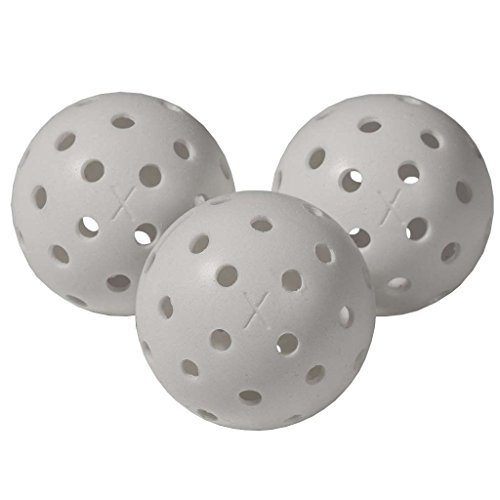
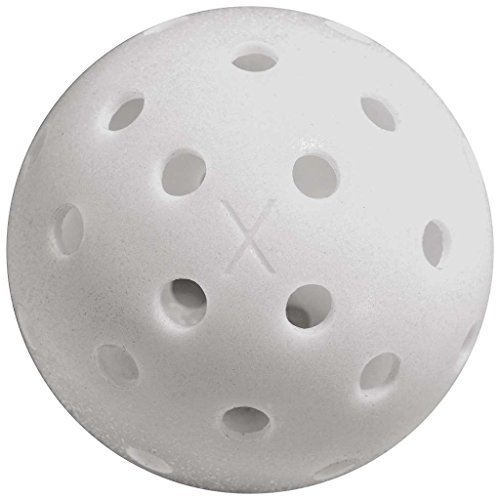
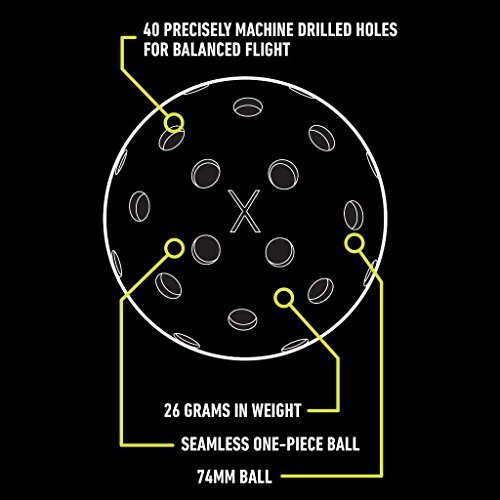
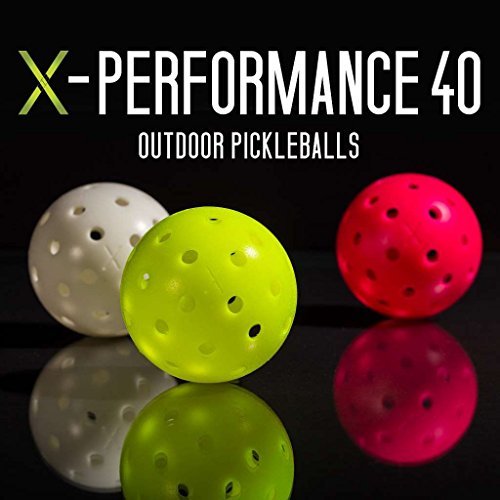
This is the ball most players at most outdoor courts are already hitting. The X-40 is the official ball of the US Open Pickleball Championships, USAPA approved, and built with one-piece rotational-mold construction, which means no seam to crack along the equator. It comes as a 3-pack or 6-pack and is the easiest re-buy at most retailers.
The pace runs softer and slower than the Dura Fast 40. If you came from tennis and are still building your kitchen game, that controlled pace gives you more time on incoming drives and more margin to land your third-shot drop. The ball absorbs pace rather than kicking it back at you.
Skip it if your goal is to match APP Tour conditions specifically. For open play, rec leagues, and outdoor sessions where the other players are not particular about the ball, the X-40 is the default.
| ✓ Pros | ✗ Cons |
|---|---|
| Official US Open Pickleball Championships ball | Softer feel is not right for players training for APP Tour events |
| USAPA approved for tournament play | Slower pace frustrates power-heavy baseline players |
| One-piece construction, no seam to split | |
| Controlled pace suits kitchen-heavy doubles | |
| Available in 3-pack and 6-pack |
2. Onix Dura Fast 40, Best for Competitive Outdoor Play
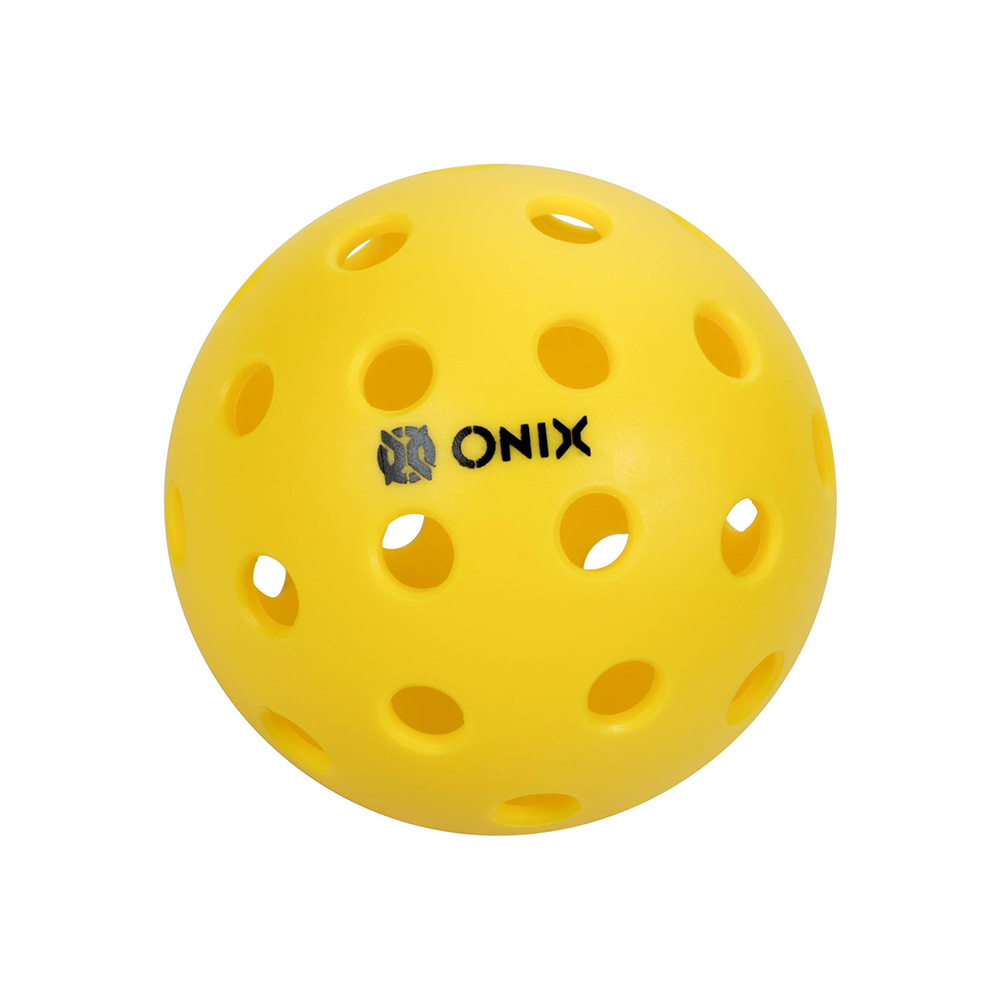
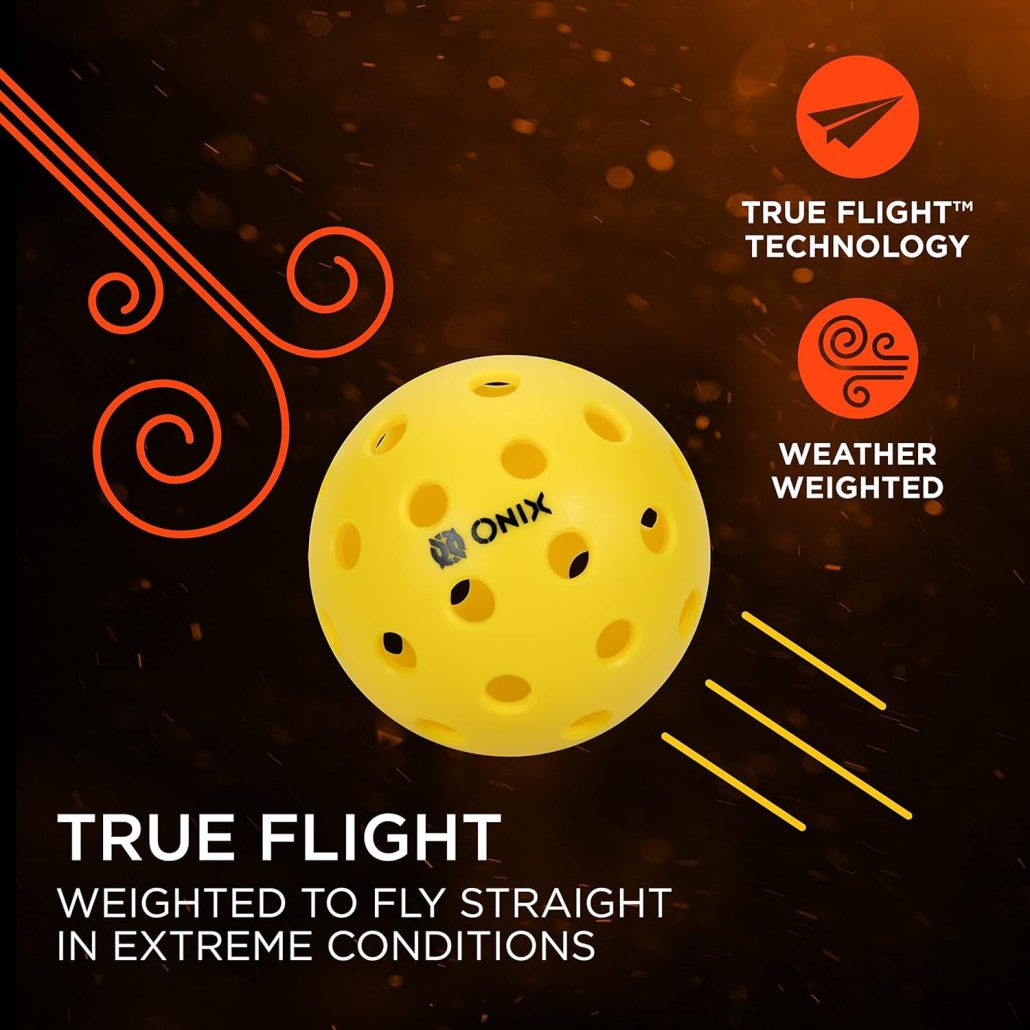
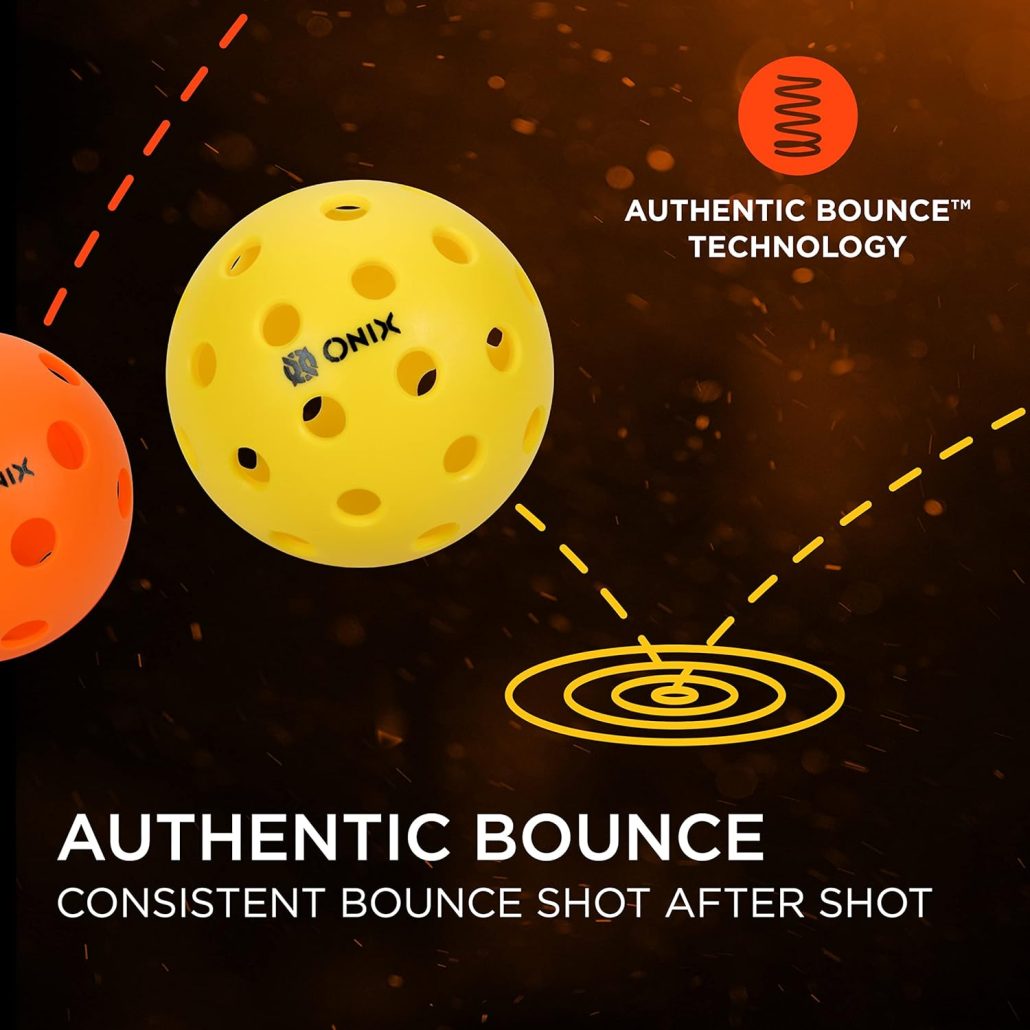
This is the APP Tour’s official outdoor ball. You feel the difference from the X-40 immediately: harder plastic, a louder crack off the paddle face, a faster bounce. Players who train on softer balls find the pace catches them off-guard the first few rallies.
The mixed-hole pattern (16 large holes, 24 small) creates a slightly different flight path than uniform-hole balls. Drives come with a bit more movement, which rewards players who read spin well. Power drivers working from the baseline get better pace transfer on flat hits. Players who rely on soft kitchen resets will find this ball less forgiving on their timing.
It wears faster than the X-40 at high-frequency outdoor play, so the 6-pack is the right buy. If you are preparing for an APP event or training with players who use the tour ball, this is the one to practice with.
| ✓ Pros | ✗ Cons |
|---|---|
| Official APP Tour outdoor ball | Wears faster than softer outdoor balls |
| Harder, faster feel suits competitive and power play | Not well-suited for players building kitchen control |
| Mixed-hole pattern rewards spin reading | |
| 6-pack value for high-frequency players |
3. LT Pro 48, Best New Outdoor (PPA Tour Pick)
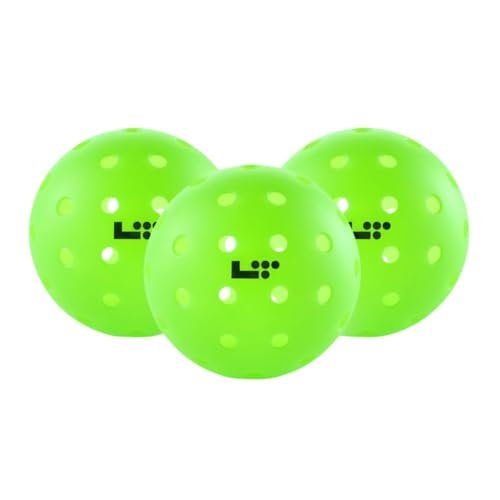
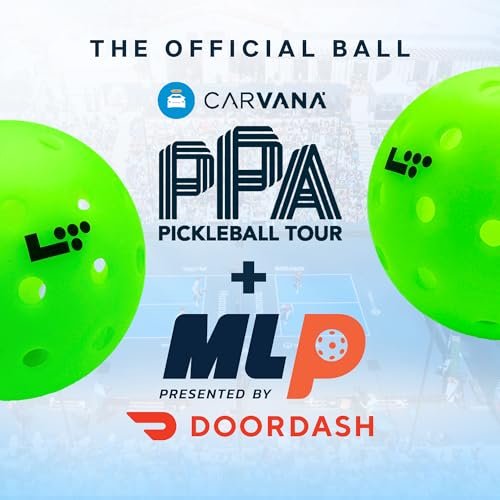
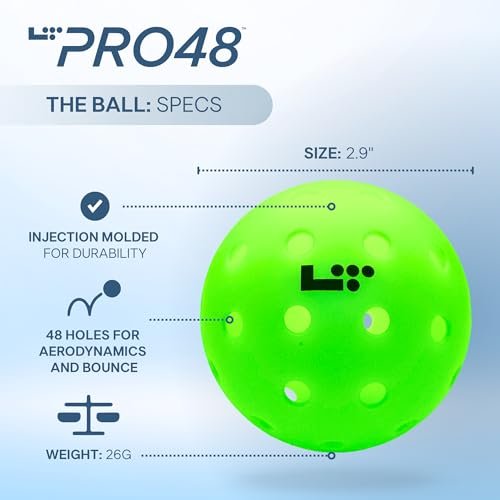
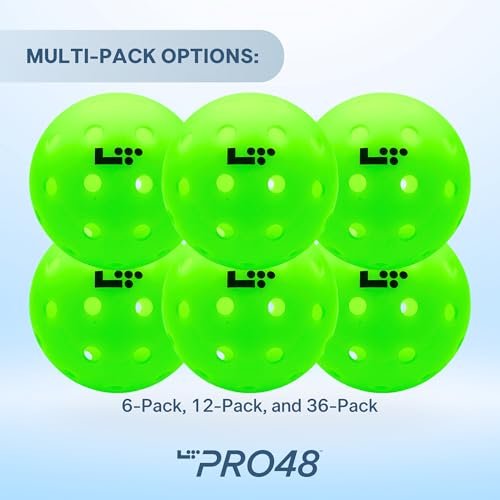
The LT Pro 48 is the official ball of the PPA Tour for the 2025-2026 season and the first 48-hole ball in the sport. The denser hole pattern is not a marketing claim: it creates more stable flight in crosswinds, which you notice on courts that get afternoon gusts. The ball tracks where you aim it rather than drifting on drives.
It is optic green, which reads well in most outdoor light. Rec players are seeing this ball on PPA broadcasts and wanting to test it. If you want to feel what the top pros are playing, this is the pack to buy. Two-piece construction holds its round shape under repeated use.
This is the outdoor upgrade for players who have already mastered the X-40 and want to move toward tour-level conditions. Power players who drive from the baseline will also appreciate the faster pace.
| ✓ Pros | ✗ Cons |
|---|---|
| Official PPA Tour ball for the 2025-2026 season | Newer to market, less widely stocked at local retailers |
| 48-hole pattern improves flight stability in crosswinds | Not the standard at APP Tour events |
| Optic green color for high visibility outdoors | |
| Good shape retention under repeated use |
4. Onix Fuse Indoor, Best Indoor
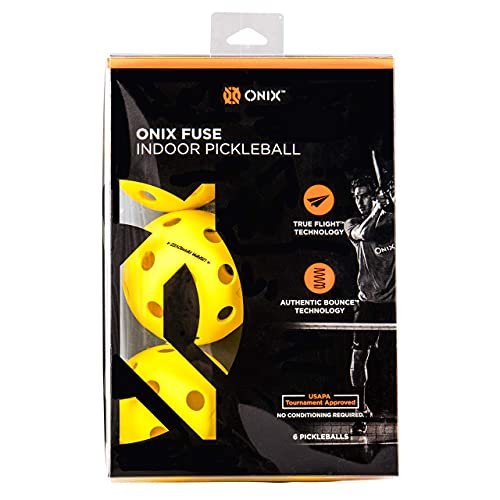
If you play on gym floors, the Fuse is the default. You will find it at rec centers across the country because it works on that surface. The 26-hole pattern delivers the softer, higher bounce wood floors require. Put a 40-hole outdoor ball indoors and it bounces harder than expected, makes kitchen exchanges feel erratic, and cracks against the hard surface sooner.
The Fuse is USAPA approved for tournament play. Seam welding is solid, and durability holds up well at the pace indoor play requires. This is not a complicated decision: gym floor play means the Fuse is the safe default.
Buy a 6-pack. At club play frequency (two to three sessions per week), you will rotate through several balls before they show real wear. The Fuse is the indoor equivalent of the X-40: not exciting, reliably right for the conditions.
| ✓ Pros | ✗ Cons |
|---|---|
| Standard indoor ball at hundreds of US rec centers | Yellow color can be hard to track against pale gym walls |
| 26-hole pattern delivers the right bounce for gym floors | Not suitable for outdoor surfaces |
| USAPA approved for tournament play | |
| Solid seam welding for durability |
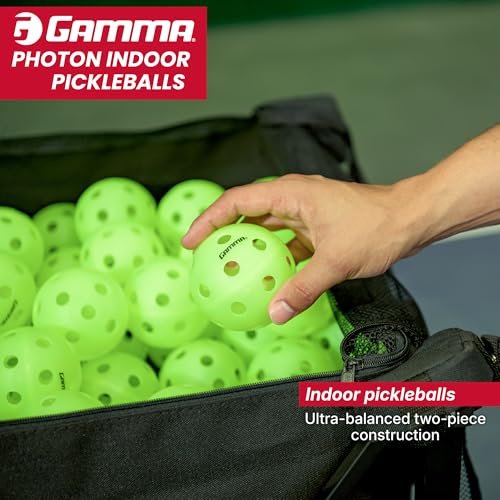
5. GAMMA Photon Indoor, Best Indoor for Visibility
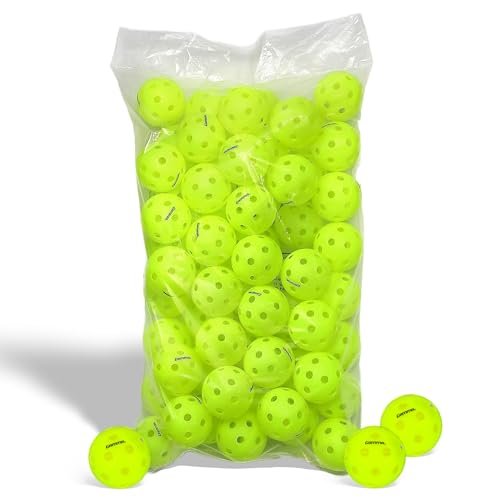
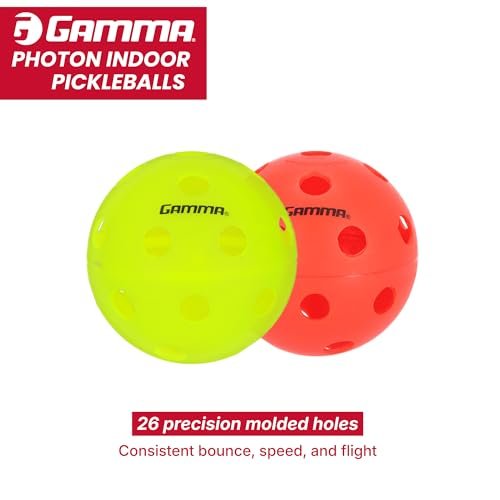
The red color solves a real problem. Yellow balls disappear against off-white gym walls and pale drop ceilings. If you have lost a drive into the ceiling mid-rally because you could not track it, a red ball in that same gym is immediately better.
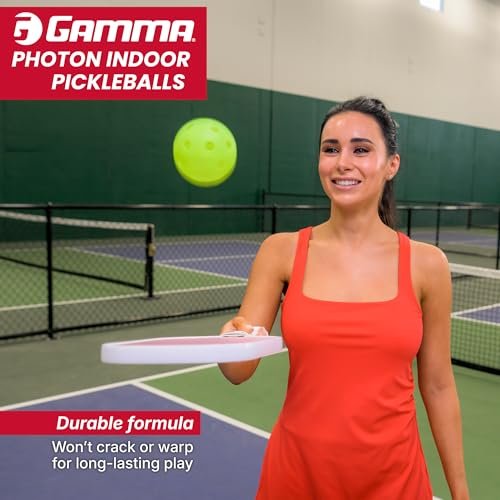
The Photon is USAPA approved for sanctioned tournament play. Two-piece ultra-balanced construction means no conditioning needed out of the pack. GAMMA is the official ball sponsor of DUPR, the rating system most recreational players use to track their level, which gives it broad credibility in the rec community.
Before you buy: check your facility’s ball rules. Some gyms and open-play organizers require the standard yellow for league and open play. If your gym allows red, the Photon is the switch worth making. If yellow is required, the Onix Fuse is the safer indoor default.
| ✓ Pros | ✗ Cons |
|---|---|
| Red color reads clearly against pale gym walls and ceilings | Some facilities require yellow balls for open play |
| USAPA approved for tournament play | Check your gym’s rules before buying |
| Two-piece balanced construction, no conditioning needed | |
| Official ball sponsor of DUPR-rated events |
Frequently Asked Questions
How do I know if I need an indoor or outdoor pickleball?
Check the surface you play on. Outdoor balls (40 or 48 holes) have a harder shell built for concrete and asphalt, with a hole pattern designed for wind resistance. Indoor balls (26 holes) have a softer shell and a higher bounce suited to wood gym floors. Using an outdoor ball indoors gives you an unpredictable bounce and the harder plastic cracks faster against a hard floor. An indoor ball outdoors softens and deforms quickly in sunlight and wind.
How many pickleballs should I buy at once?
A 6-pack is the right starting point for regular play. At club doubles frequency (two to four sessions per week), outdoor balls last roughly two to four weeks before cracking becomes an issue. Indoor balls last longer in gentler conditions. Buy in 6-packs so you always have a rotation ready. Tracking down a single replacement pack after a ball cracks mid-session wastes more time than the 6-pack costs.
Can I use the same ball indoors and outdoors?
No. A 40-hole outdoor ball on a gym floor bounces harder and higher than a 26-hole indoor ball, makes kitchen exchanges inconsistent, and cracks faster against the hard surface. An indoor ball outdoors softens quickly in sunlight and wind. Keep both types in your bag if you play on both surfaces.
What is the difference between the Franklin X-40 and the Onix Dura Fast 40?
Both are USAPA approved outdoor balls with 40 holes, but they play differently. The X-40 is softer and slower, which gives you more control in the kitchen and more time to reset under pace. The Dura Fast 40 is harder, louder, and faster, with a mixed-hole pattern that creates a slightly different flight path. Start with the X-40 for rec and open play. Use the Dura Fast 40 if you are training for competitive outdoor events where the APP Tour ball is the standard.
Final Verdict
The X-40 is the right outdoor ball for most rec players: USAPA approved, one-piece construction, and the default at open-play sessions across the country. Competitive outdoor players who want APP Tour conditions should add the Onix Dura Fast 40. If you want the PPA Tour ball or need better wind stability, the LT Pro 48 is the upgrade.
For indoor courts, the Onix Fuse is the safe choice if your gym does not specify a ball. The GAMMA Photon solves the visibility problem in gyms where yellow disappears against the walls. Buy in 6-packs on both surfaces. You will use them faster than you expect.