
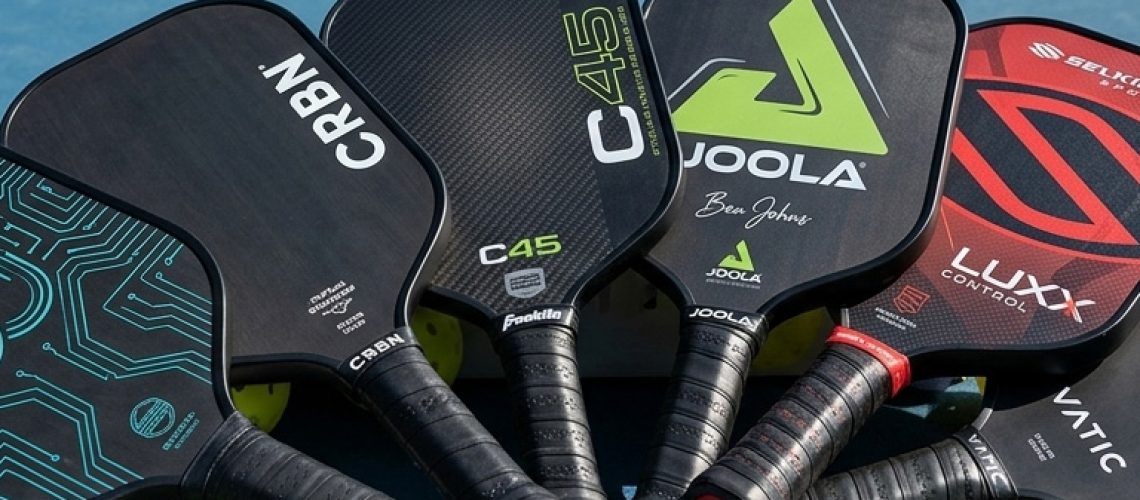

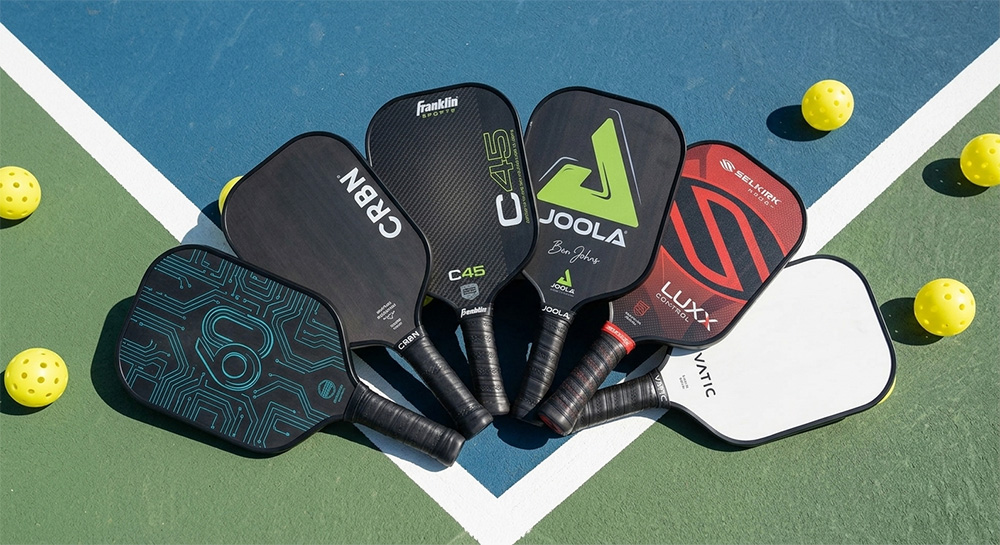
Last Thursday a student at our local clinic showed me her new paddle. Carbon fiber face, full foam core, around $99. The dwell time on her reset volleys was way better than mine, and I was playing with a carbon paddle I thought was fine. That gap used to be much wider.
The pickleball paddle market changed fast between 2021 and 2026. Full foam cores have moved into sub-$100 territory. Raw carbon fiber faces are now the standard for anything above entry-level, not a premium feature. Tour-level technology has trickled down faster than in most sports equipment categories.
This list covers seven paddles across the skill and price range, combining on-court time with independent testing reports from Matt’s Pickleball, Pickleheads, and DUPR for models I have not hit personally. Each pick includes a clear verdict on who it suits and who should skip it.
Quick Picks
| Role | Product | Buy |
|---|---|---|
| Best Overall | JOOLA Ben Johns Hyperion CFS 16mm Swift | Check on Amazon → |
| Best Budget | Vatic Pro V-Sol Pro 16mm | Check on Amazon → |
| Best Premium | Six Zero Black Opal 14mm | Check on Amazon → |
At a Glance
| Product | Best For | Core | Weight | Buy |
|---|---|---|---|---|
| JOOLA Ben Johns Hyperion CFS 16mm Swift | Best Overall | 16mm reactive polymer | ~8.0 oz | Amazon → |
| Six Zero Black Opal 14mm | Best Advanced / Kitchen | 14mm aerospace foam | ~7.8 oz | Amazon → |
| Vatic Pro V-Sol Pro 16mm | Best Budget | 16mm EPP foam | ~8.0 oz | Amazon → |
| CRBN TruFoam Barrage 1 14mm | Best Power | 14mm floating foam | ~8.0 oz | Amazon → |
| Franklin C45 Dynasty 16mm | Best Mid-Range | 16mm PowerFlex polymer | 7.6 to 8.0 oz | Amazon → |
| Engage Pursuit Alpha Pro 16mm | Best Intermediate Upgrade | 16mm Control Black | ~8.0 oz | Amazon → |
| Selkirk LUXX Control Invikta Black | Best Control | X7 polypropylene | ~7.8 oz | Amazon → |
1. JOOLA Ben Johns Hyperion CFS 16mm Swift — Best Overall
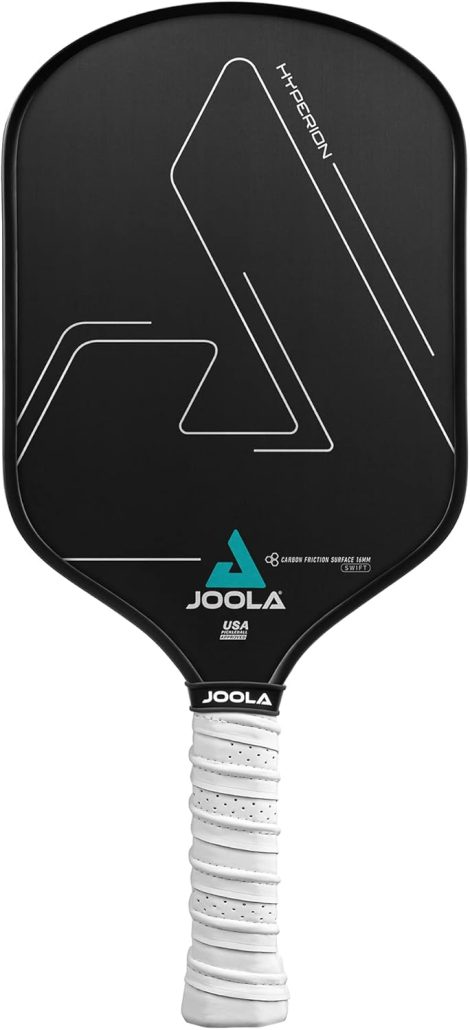
The JOOLA Ben Johns Hyperion CFS 16mm Swift is the paddle I would put in the hands of most 3.5 to 4.5 players looking for a genuine step up. The 16mm reactive polymer core does what a 16mm core should: it absorbs pace on hard-hit balls and gives you the control to land third-shot drops and dinks accurately. Carbon Friction Surface adds grit for spin production without making the face feel rough or inconsistent.
The elongated shape at around 8.0 oz works well for doubles coverage. You get reach in the transition zone without the paddle feeling heavy during extended kitchen rallies. The handle fits a standard grip comfortably, and the balance point suits players coming from both tennis and native pickleball backgrounds.
This is not the right paddle for a player whose game is built on baseline drives. If your point-winning shots come from the kitchen, third-shot drops, and reset volleys, the 16mm core suits that approach well. Power-first players who flatten out drives should look at the CRBN TruFoam Barrage instead.
| ✓ Pros | ✗ Cons |
|---|---|
| 16mm reactive core built for kitchen consistency and third-shot drops | Not suited for power-first baseline players |
| Carbon Friction Surface for reliable spin production | Sits at the higher end of the mid-tier price range |
| Elongated shape with balanced weight for doubles coverage | |
| Top-rated all-court option in 2026 testing by Matt’s Pickleball and Pickleheads | |
| Suits both intermediate and advancing 4.0 to 4.5 players |
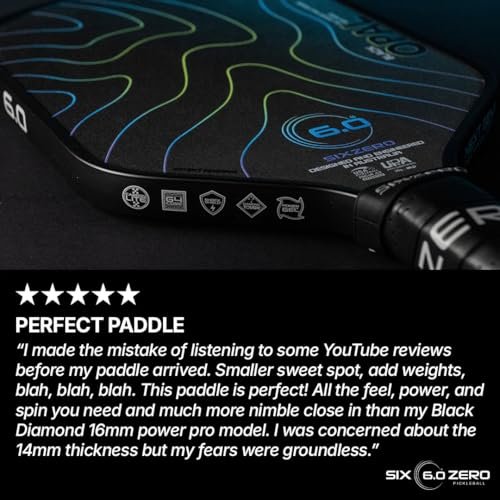
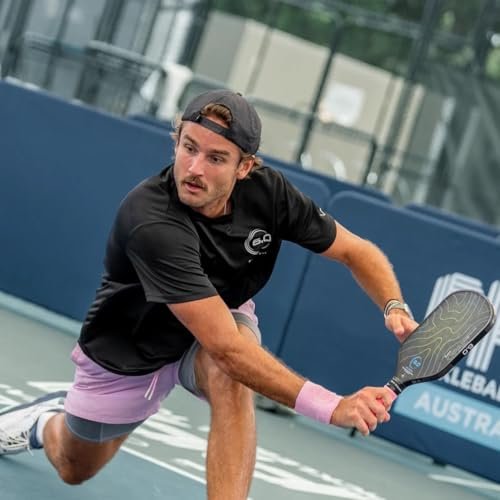
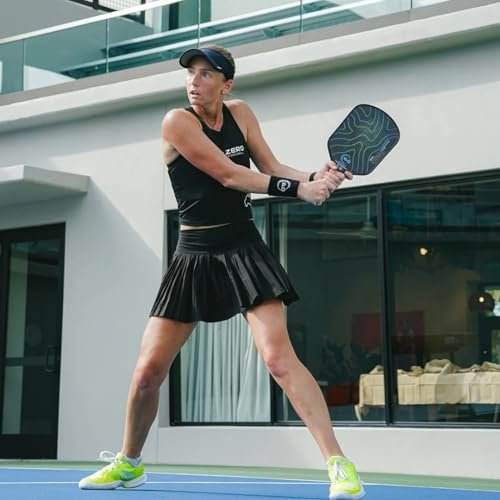
2. Six Zero Black Opal 14mm — Best for Advanced Players
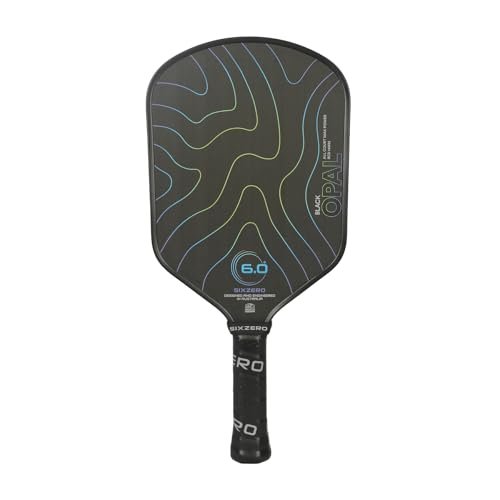
The Six Zero Black Opal 14mm is a hands paddle. I played a 14mm foam core for several weeks earlier this year and the difference from 16mm is immediate: the ball leaves the face faster, hands battles at the kitchen feel sharper, and reset timing requires tighter execution. The Diamond Tough raw carbon face holds grit through heavy play, which matters if you are on court four or more days a week.
The G4 Aerospace Foam Core provides stability on off-center hits that cheaper foam cores do not match. The Shock Shield handle absorbs vibration noticeably better than a standard handle. At around 7.8 oz, the paddle is quick without feeling underpowered on the drives you need in the transition zone.
If you are below 3.5, this paddle will work against you. The 14mm core punishes off-center hits and timing errors. It is also not the right paddle for players who spend most of their time driving from the baseline. This is a kitchen-speed paddle for players whose hands are already a weapon.
| ✓ Pros | ✗ Cons |
|---|---|
| 14mm foam core for faster response at the kitchen | Lower forgiveness on off-center contact than 16mm options |
| Diamond Tough raw carbon face holds grit longer than standard carbon | Not suited for baseline-heavy players or anyone below 3.5 |
| Shock Shield handle reduces vibration effectively | |
| G4 Aerospace Foam Core stays stable on off-center hits |
3. Vatic Pro V-Sol Pro 16mm — Best Budget
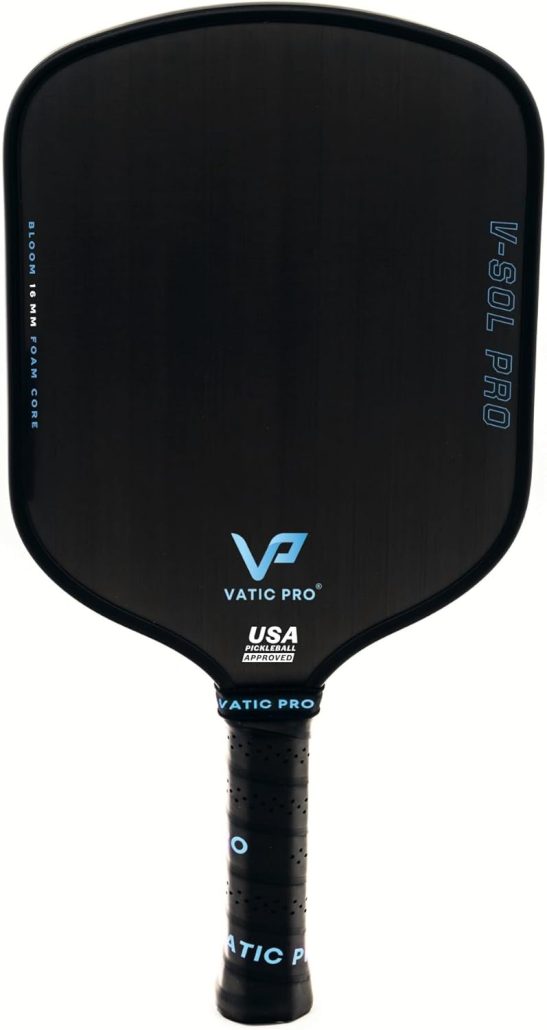
The Vatic Pro V-Sol Pro 16mm is the best argument for skipping the $50 to $70 beginner paddle tier entirely. Full EPP foam core, T700 carbon fiber face, and a paddle cover in the box, all at a price point that undercuts most of the competition on this list. Most paddles at this price use honeycomb polymer cores. The V-Sol Pro uses foam, and the difference in dwell time and touch is noticeable from your first kitchen rally.
The 16mm thickness keeps the paddle forgiving on off-center hits. The EVA outer ring adds edge stability. T700 carbon produces reliable spin without the aggressive grit of a Diamond Tough or CFS surface. Drives are solid for the weight class, and resets are predictable. This is a forgiving paddle built for players who are developing their kitchen game.
Competitive-level players at 4.5 will outgrow the V-Sol Pro. The face material and core construction will not deliver the refinement needed at that level. For recreational and club doubles from 3.0 to 4.0, the performance-to-price ratio is the strongest on this list.
| ✓ Pros | ✗ Cons |
|---|---|
| Full EPP foam core at a sub-$100 price point | Not suited for competitive 4.5-plus players |
| T700 carbon fiber face for reliable spin production | Less grit than premium Diamond Tough or CFS carbon faces |
| EVA outer ring for edge stability | |
| Paddle cover included | |
| Best performance-to-price ratio on this list |
4. CRBN TruFoam Barrage 1 14mm Elongated — Best for Power
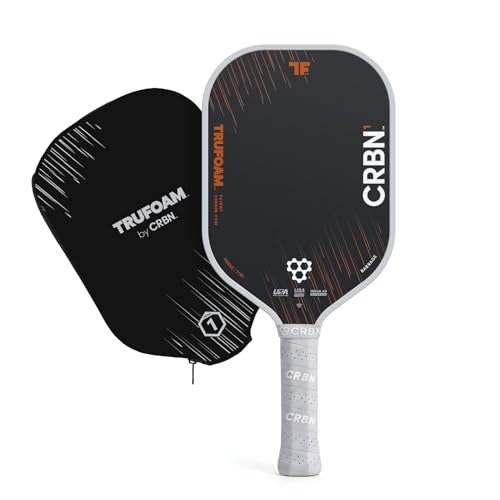
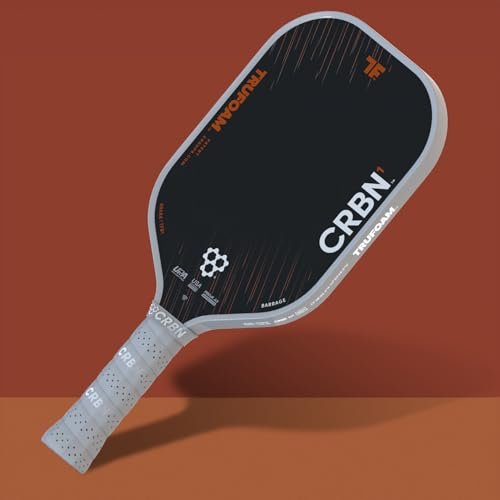
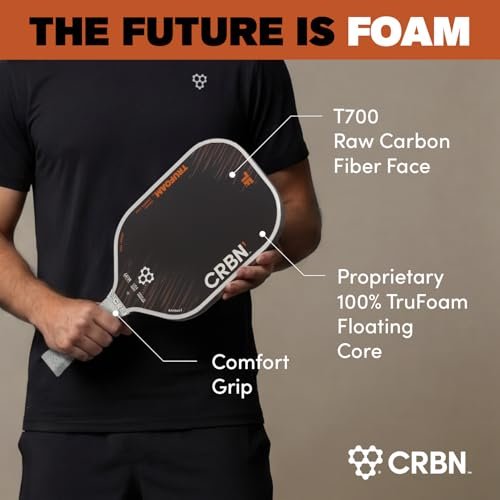
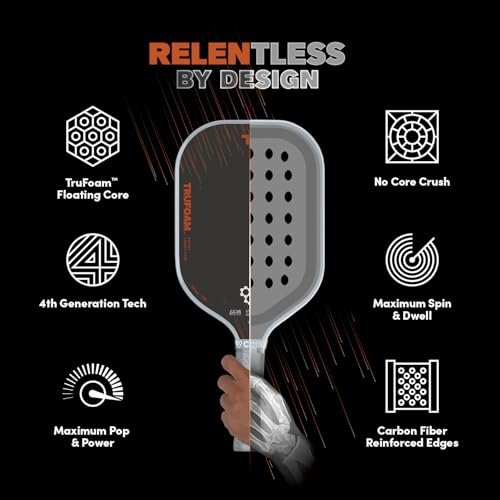
The CRBN TruFoam Barrage is what an attacker’s paddle looks like in 2026. The 100% floating foam core maximizes energy return on drives. The elongated shape adds reach on wide balls and overhead shots. T700 raw carbon fiber face delivers spin and pop together. This is not a control paddle and does not pretend to be.
At 14mm with a floating construction, the Barrage sits at the opposite end of the spectrum from the JOOLA Hyperion. Drives come off hot. Touch shots require meaningful adjustment if you are used to a 16mm core. The long handle suits two-handed backhand players and anyone with a tennis background who takes full swings. USAP and UPA-A approved for sanctioned events.
Kitchen-heavy players who win through patience and reset volleys will find this paddle frustrating. The power profile suits aggressive mid-court drivers and baseliners who take the ball early and put it away. If that is your game, the Barrage is purpose-built for it.
| ✓ Pros | ✗ Cons |
|---|---|
| 100% floating foam core for maximum drive power | Touch shots require significant adjustment from 16mm paddles |
| Elongated shape with long handle for two-handers and extra reach | Not suited for kitchen-heavy or control-first playing styles |
| T700 raw carbon face for spin and pop combined | |
| USAP and UPA-A approved for sanctioned play |
5. Franklin C45 Dynasty 16mm — Best Mid-Range
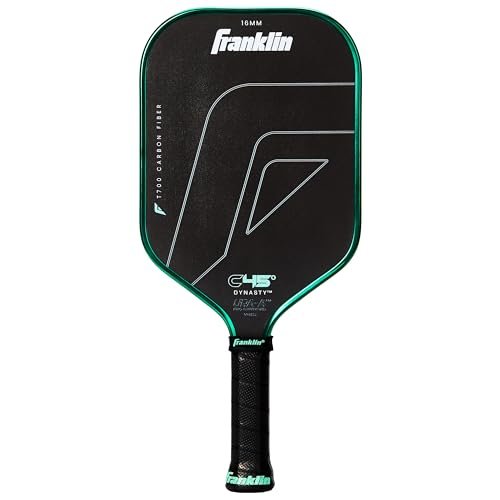
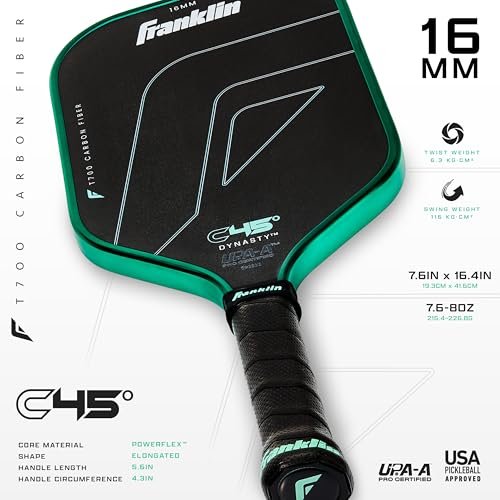
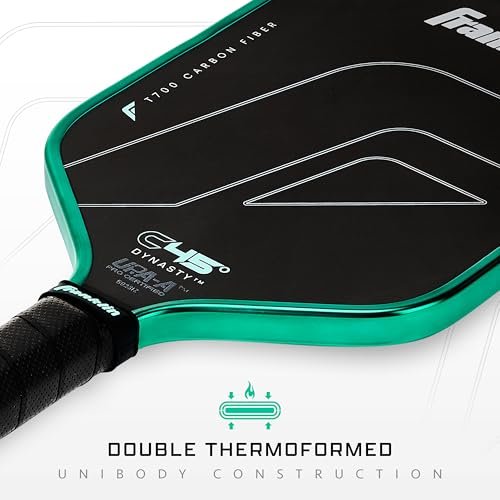
The Franklin C45 Dynasty 16mm brings a tour-associated design into the mid-price bracket. The 45-degree peel-ply carbon fiber surface produces above-average spin for its price point, and the double-thermoformed unibody frame adds stiffness and durability that most paddles at this tier do not have. Anna Leigh Waters played a version of this shape during her competitive career, which gives the design verifiable credibility.
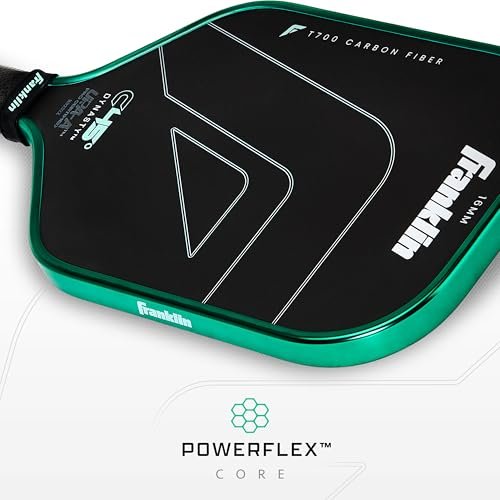
The PowerFlex polymer core at 16mm is kitchen-friendly without being slow on drives. The 5.6-inch handle works for one-handed and two-handed grips. Weight comes in between 7.6 and 8.0 oz across units, so there is some variance. If exact weight precision matters to your game, weigh your specific paddle before your first session.
This is the right step-up for a 3.5 to 4.0 player who wants a carbon fiber surface without paying Six Zero or CRBN prices. If you already play on a raw carbon surface and are shopping for a genuine performance jump, the C45 is not it. It is an honest entry into the carbon tier, not a top-of-tier option.
| ✓ Pros | ✗ Cons |
|---|---|
| 45-degree peel-ply carbon face for above-average spin at this price | Weight varies between units (7.6 to 8.0 oz) |
| Double-thermoformed unibody frame for stiffness and durability | Not a performance upgrade for current raw carbon users |
| Tour-associated design with verifiable engineering | |
| 16mm core balances kitchen control and drive capability |
6. Engage Pursuit Alpha Pro 16mm — Best for Intermediate Upgrade
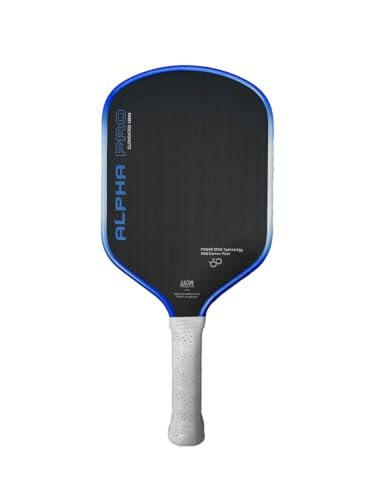
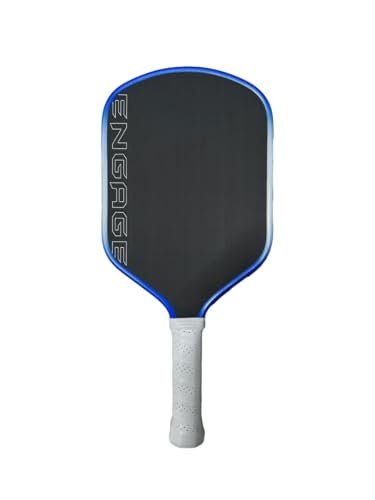
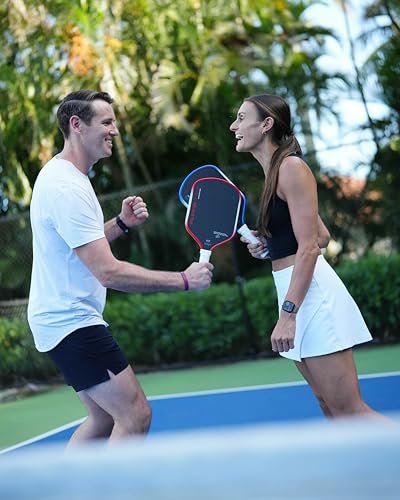
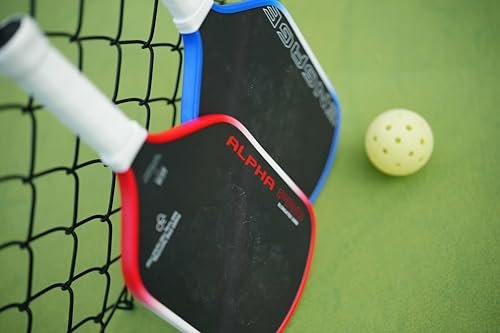
The Engage Pursuit Alpha Pro 16mm is a raw carbon paddle at a mid-price point from a brand with a genuine reputation in club play. Engage is not a paddle company that runs on hype. The Control Black core and elongated shape produce a predictable feel for players coming off composite or fiberglass who are stepping into raw carbon for the first time.
The raw carbon face delivers the grit and spin production you expect from that surface, and the 16mm core keeps resets and dinks forgiving. Jesse Irvine, a technically precise professional player, plays Engage, which lends the brand credibility beyond marketing. The 8.0 oz standard weight is manageable over long doubles sessions.
This is the right paddle for an improving 3.5 to 4.5 player who wants a raw carbon face without paying Six Zero or CRBN prices. At 4.5 and above, or if you have already played on raw carbon and want to step up in feel and refinement, the Alpha Pro will not get you there. For the player it targets, it is an honest upgrade at a fair price.
| ✓ Pros | ✗ Cons |
|---|---|
| Raw carbon fiber face at a mid-price point | Not a significant upgrade for players already on raw carbon |
| 16mm Control Black core for forgiveness on resets and dinks | 4.5-plus players will find the refinement limited |
| Elongated shape for all-court doubles coverage | |
| Reputable club brand with a professional player association |
7. Selkirk LUXX Control Invikta Black — Best for Control
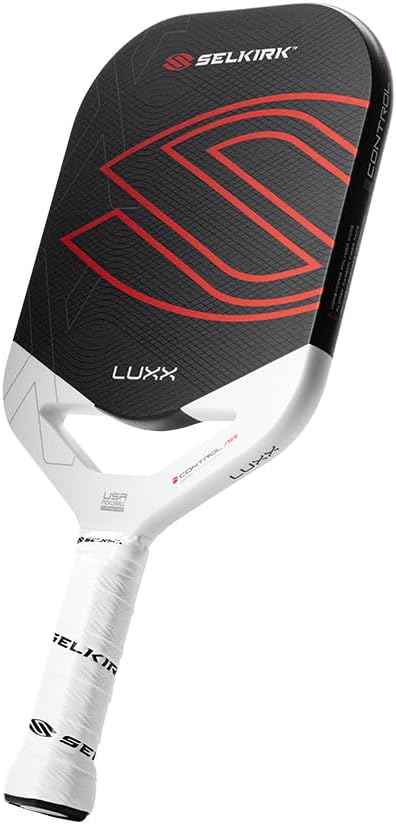
Selkirk is the largest pickleball paddle brand by US market share, and the LUXX Control Invikta Black is their precision-oriented option. The Florek carbon fiber face and X7 polypropylene core are built for players who control rallies through placement and dink consistency, not through pace. The Invikta elongated shape gives you reach at the kitchen without sacrificing maneuverability on reflex volleys.
The X7 poly core runs softer than foam alternatives, which some players prefer for touch shots at the net. The tradeoff is less pop on aggressive drives. If your rallies are won through patience, dink depth, and making opponents move rather than through power, this paddle is purpose-built for that approach. Selkirk’s build quality is consistent, and the brand has wide retail availability if you want to handle it before buying.
Power-first players should skip the LUXX Control. It will frustrate a player whose game is built on drives. For 3.5 to 4.5 kitchen-game players who win by controlling placement and forcing errors, the LUXX Control is a strong, reliable choice from a proven brand.
| ✓ Pros | ✗ Cons |
|---|---|
| Purpose-built for kitchen-game placement and dink control | Limited drive power compared to foam core alternatives |
| X7 poly core for soft, predictable touch at the net | Not suited for power-first or baseline-heavy players |
| Invikta elongated shape for reach in the transition zone | |
| Consistent build quality from the largest US pickleball brand |
Frequently Asked Questions
What core thickness should I choose as a beginner?
Start with 16mm. The thicker core is more forgiving on off-center hits and gives you more dwell time for touch shots at the kitchen. A 14mm core is faster and sharper, but it punishes the timing errors that beginners and developing players make frequently. Move to 14mm when your hands are consistent enough that you want more speed rather than more forgiveness.
Is raw carbon fiber worth the extra cost?
For most recreational players, yes, but not at any price. Raw carbon generates significantly more spin than composite or fiberglass surfaces because the rough texture grabs the ball during contact. The practical benefit shows up in your third-shot drops and dink depth. The Vatic Pro V-Sol Pro shows that you can get T700 carbon for under $100, so the cost premium for carbon over fiberglass is smaller than it used to be.
Does paddle weight matter for doubles?
It matters for two things: fatigue and stability. Heavier paddles (8.0 oz and above) give you more mass on drives and are more stable against hard-hit balls at the kitchen. Lighter paddles (7.6 to 7.8 oz) are quicker for hand battles and produce less arm fatigue over long sessions. Most doubles players do well in the 7.8 to 8.2 oz range. If you have shoulder or elbow issues, start at the lighter end.
What is the difference between standard and elongated paddle shapes?
Elongated paddles are longer from base to tip and typically have a narrower face. They give you more reach in the transition zone and usually have a longer handle for two-handed backhands. The tradeoff is a slightly smaller sweet spot and a higher balance point. Standard shapes have a more centered balance and a wider sweet spot, which suits players who prioritize reflex volleys at the kitchen over reach on wide shots. Most tour players use elongated shapes, but standard shapes are not inferior for recreational doubles.
When should I upgrade my current paddle?
Upgrade when the face surface loses its texture. Raw carbon and composite faces wear down from ball contact and hard court abrasion. When your spin shots start behaving like flat shots, the grit is gone. Secondary signals include cracking or delamination at the edge of the face, or a noticeable weight shift that suggests core breakdown. If none of those apply, court time will improve your game faster than a new paddle will.
Final Verdict
The paddle market in 2026 is the strongest it has ever been below $150. The Vatic Pro V-Sol Pro 16mm challenged my assumption about what budget means in this sport. The CRBN TruFoam Barrage made the power-versus-control tradeoff as clear as it has ever been. The Six Zero Black Opal 14mm is the best kitchen-speed paddle I have played with at this price point. The JOOLA Hyperion remains the most reliable all-court option for most improving players.
If you play four times a week and your game is developing, the JOOLA Ben Johns Hyperion CFS 16mm Swift is the right place to start. If your budget is the first constraint, the Vatic Pro V-Sol Pro gives you foam core feel without overspending. If your hands are already your weapon and you play at 4.5, the Six Zero Black Opal 14mm is the right next step.